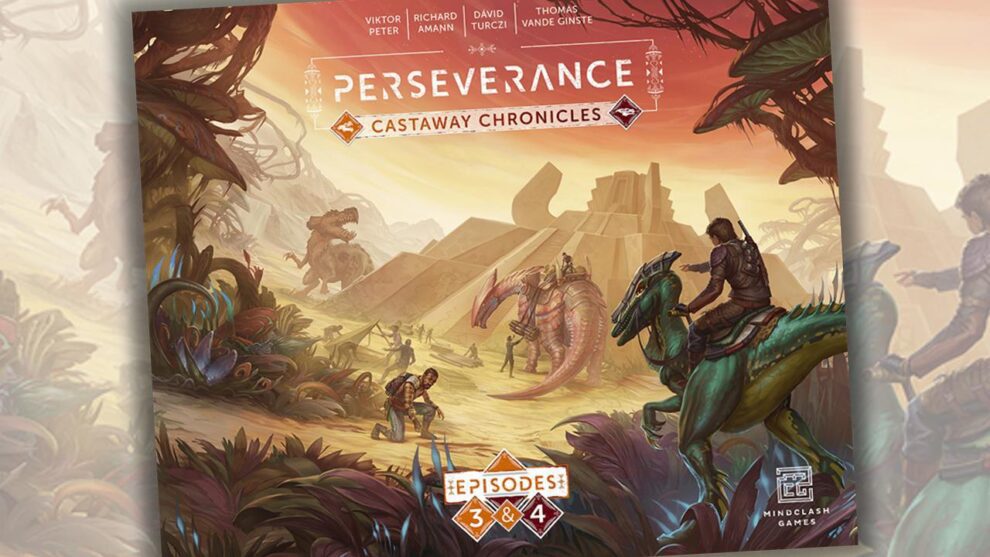

Disclosure: Meeple Mountain received a free copy of this product in exchange for an honest, unbiased review. This review is not intended to be an endorsement.
Oh, the back half of this adventure was heavy, my friends…heavy!
After playing Perseverance: Castaway Chronicles—Episodes 1 & 2 in 2024, I reached out to the team at Mindclash Games to get a review copy of Perseverance: Castaway Chronicles—Episodes 3 & 4. The box was predictably massive and showed off everything Mindclash is known for as soon as I opened the box.
If you are new to the Perseverance adventures, check out my previous review to get a feel for the series. We aren’t doing a massive rules explanation here, because that would take hours!
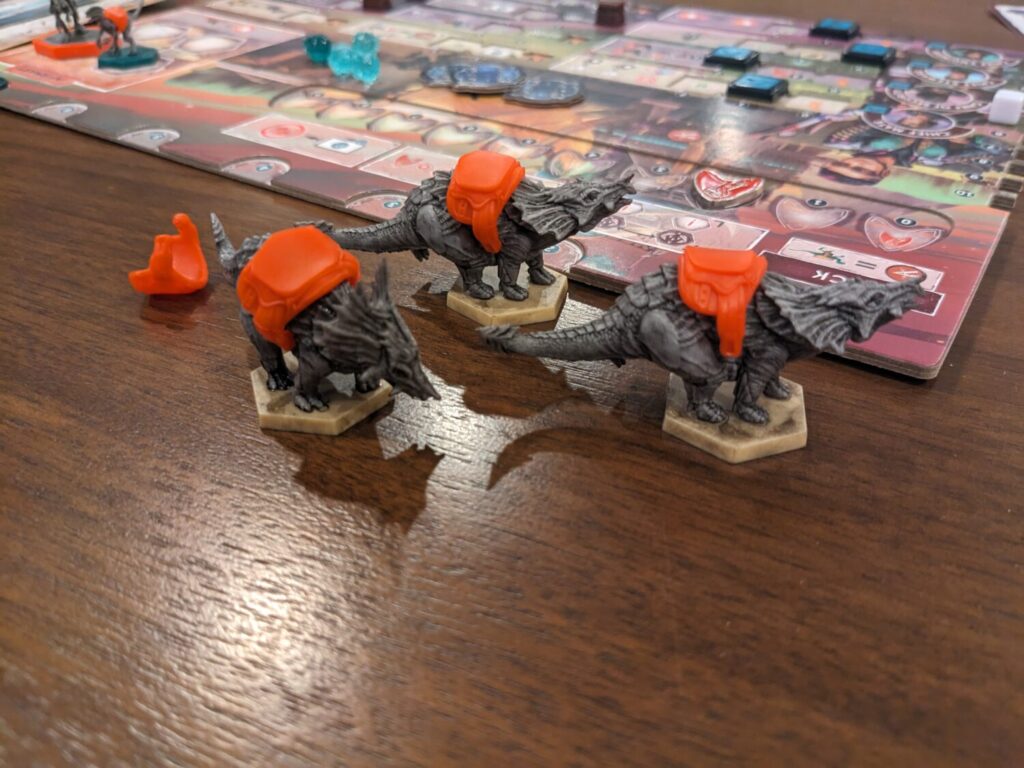
I’m also not going to spend much time here telling you about the ridiculous components in the box. It’s a Mindclash game, so IYKYK. Suffice it to say that Mindclash produces bits as fancy as anyone in the tabletop business, and that trend line continues with the Perseverance sequels. I will say this much–I didn’t think the world needed board games with dinosaur saddle pieces…and, I was wrong.
Let’s dive right in: is the back half of the Perseverance saga worth your time?
Episode 3: It’s Hard to Saddle a Thunderhorn
Perseverance: Castaway Chronicles—Episode 3 picks up after the events of Episode 2. Perseverance is now a decent place to live, and players spend their time in the sandbox choosing to explore the wilderness or navigating four different city locations to do tasks that range from building up small batches of Rangers to take on missions, gathering supplies, and building up a new ranch area on each player’s personal board.
Gone are the fire drills from Episode 1, when players simply needed to manage the defenses of the city to keep those pesky dinosaurs out…by Episode 3, not only are players working side-by-side with Shieldheads, Raptors, Thunderhorns and Ironjaws, but those same dinos can actually be tamed and mounted for missions in the wilderness. (Tramplers, an Episode 1 foe, are nowhere to be found in terms of gameplay elements in Episode 3.)
This evolution is the best part of playing all the games in the series. Things have changed so much over the course of these three games, as have the game formats. Episode 1 was a tower defense-style Euro game. Episode 2 was a tech tree game with deterministic combat. That same combat is still here in Episode 3, but none of the players who joined me for players even wanted to call it that, despite the game using that term…usually, the “combat” is really just a chance for players to capture dinos in the wild, with “combat” simply representing the cost of taking wild dinos into custody to later be tamed and used for missions.
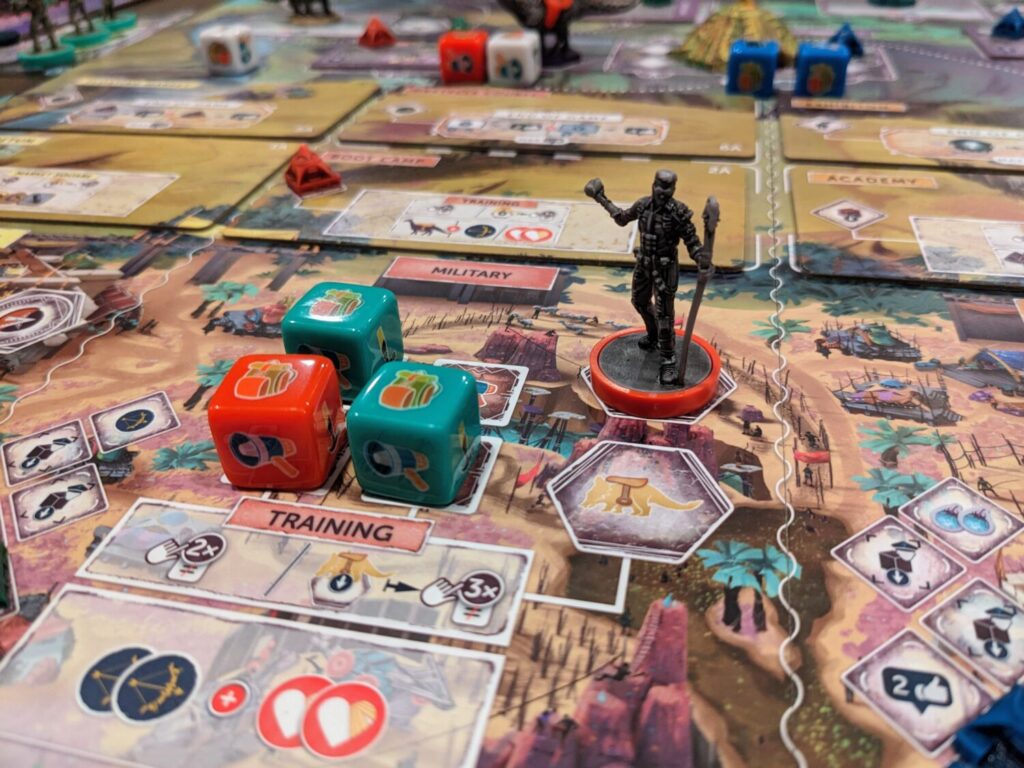
Episode 3 is a sandbox game, with elements of building a tech tree that players can choose to engage with, or not. Each of my plays worked out a bit differently thanks to the choices of the players, and I’m still surprised how differently each session went. Our first play (three players) focused mainly on taking city actions through the choices presented by dice rolled during setup. This meant we mostly left the wilderness out of our plans.
Episode 3 seems like it will be a shorter game, with each player getting only eight turns in total. Of course, this changes the moment play begins. Like the other titles in the series, there are primary actions, secondary actions, adventure stage actions and a clean-up phase, so each player’s turn takes a while (and is also the reason why I would cap your Episode 3 plays at two, maybe three players).
Like my feelings on the previous games, there is not enough tension on the choice of dice to really sweat the mechanic here…one will always find a way to find a die they need to trigger the desired action. A resource carried over from Episode 2, glowberries, are acquired through various means but can be spent in place of Followers (victory points) to change a die face or use another player’s dice.
Players were never faced with spending three Followers instead of two glowberries to draft the die they needed. Instead, the tension comes through the area majority scoring triggered in a city zone each time the dice count equals the number of active players. This means that Assembly scoring can happen at almost any time, and it can trigger in zones that have already triggered in the same game…while losing an Assembly scoring isn’t as devastating as it was in the previous titles, it is still vital.
What can be devastating, as I learned in that first play, is not participating in the Officer majority scoring in a zone that triggers an Assembly. Managing presence in both halves of a Zone (the settlements and other pieces of a player’s color, plus the Officer) is critical, so it became an interesting chess match trying to forecast when each zone will trigger a scoring round.
So, the city elements of Episode 3 remain familiar to players who worked through Episode 2. I don’t think that’s the reason to play Episode 3…because the Wilderness is where it’s at.
Episode 3: Check Out the Eyeball
The city/zone/dice drafting elements of the Perseverance games just aren’t as interesting as the exploration portions of the game. On my second play, I focused very intently on two focus areas: the Ranch, and the Wilderness.
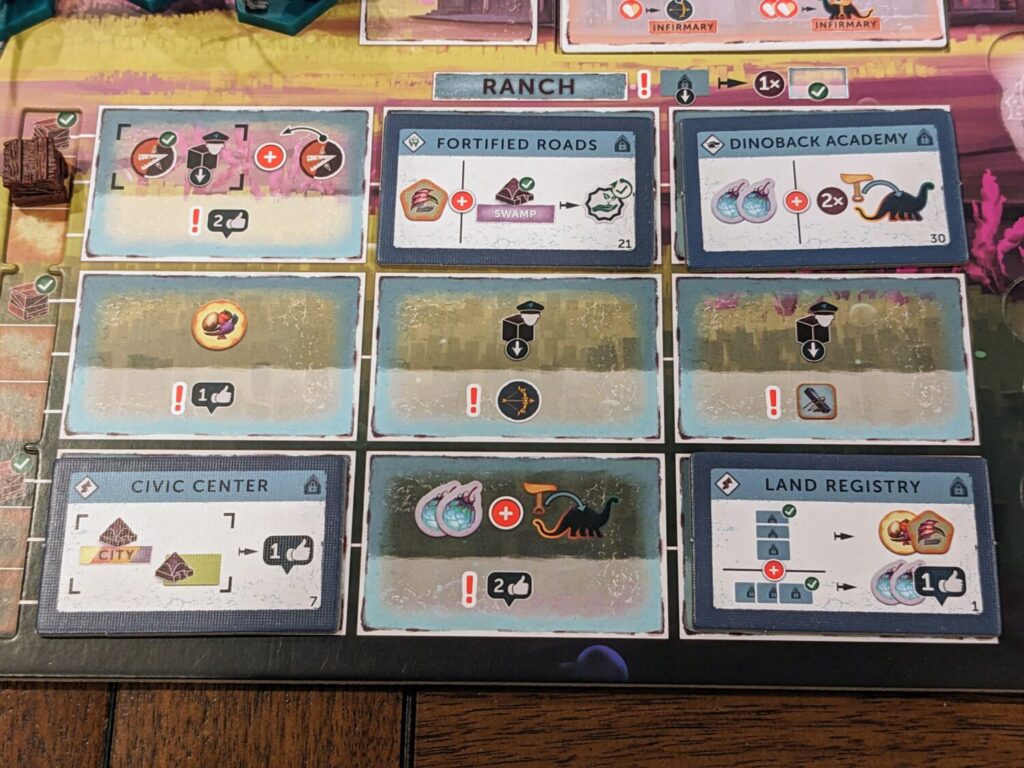
The Ranch is the 3×3 grid of spaces on each player’s personal board. Triggered during the secondary action of players who choose to collect income, the Ranch starts with nine different bonuses, of which maybe 3-5 are unique rewards for each player (a couple of which are unique to one of the four specific Leaders—Phoenix, Jack, Keoni, and Adelita). Each Ranch space can be covered with a tile that can be acquired either through one of the city rewards or through one of the Officer bonuses that can be triggered during a Secondary action.
Kitting out the Ranch is a tech tree lover’s fever dream and allows each player to customize their income actions. Areas like the Ranch are why I love Luke Laurie games like Cryo and Andromeda’s Edge. The Ranch area in Episode 3 allows for a fun mix of resource gathering, points income, and special actions that can really supercharge a player’s next Primary action when optimized for a player’s strategy.
The Ranch is fun. And, as a Secondary action, it offers a great counterpoint to a player’s other choice: spending an influence cube from an Officer to take one of the Officer actions, which are absolutely the juicier actions but come at the risk of losing influence at the wrong time, especially if a city zone is about to score in an Assembly.
The other area I pushed on during that second play was exploring the wilderness. This can be done as either a Primary action or as the secondary action when using the Chief of Security’s officer favor. Players who go to the wilderness portion of the map—like Episode 2, this dominates a large portion of the main board—can visit any unexplored area connected by white lines to any previously-explored area.
By doing this, a player can both capture a wild dino (in that “combat” element shared earlier) and place a new tile on the explored space, which grants “foraging” (potential income) spaces on one half of the tile along with space for a settlement, similar to how things worked in Episode 2. But the bottom half is quite interesting: a beefier one-time bonus, mixed with an artifact that grants both an immediate power as well as a set collection point bonus at the end of the game.
And that one-time bonus comes with a cost: a player can’t place a settlement on the tile, which might hurt them when Assembly scoring is done in the zone where the exploration took place (in Episode 3, there are three different zones in the wilderness).
The wilderness was a big positive for me. The instant bonuses in the wilderness were always intriguing. Players get both dinos (which can be spent as a resource, or tamed and used in future exploration actions) and chances to place settlements. The mission cards in Episode 3 grant a “cartography” reward if a player has a settlement in the numbered zone of each card, so it gives players a reason to explore specific spaces for extra goodies.
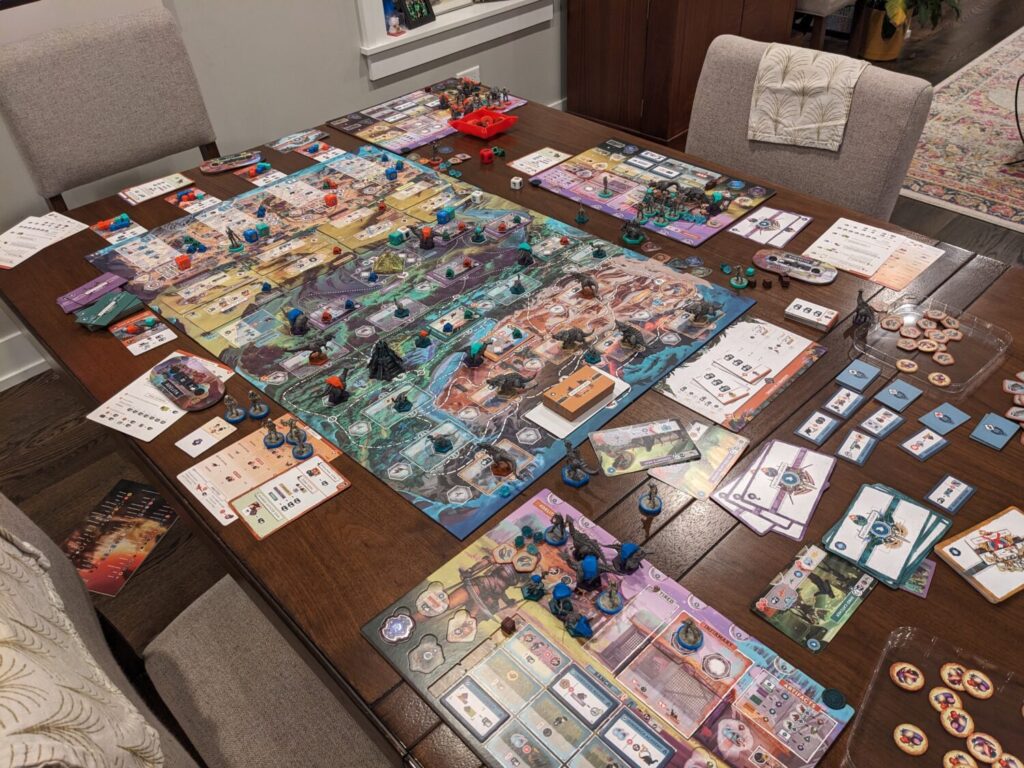
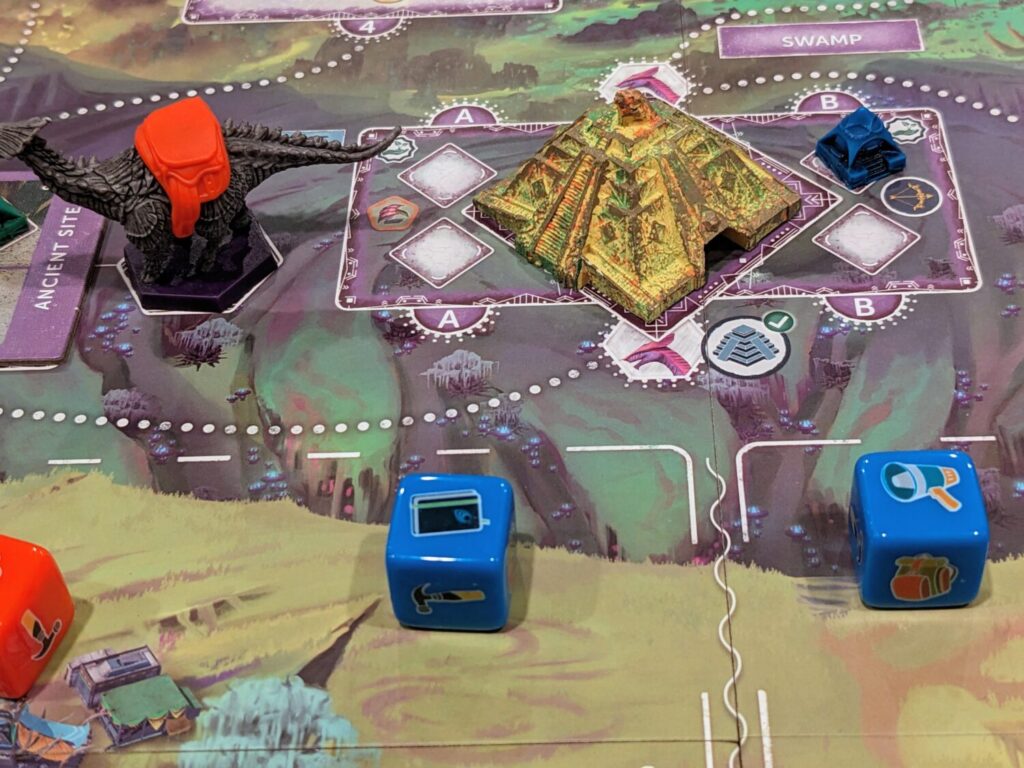
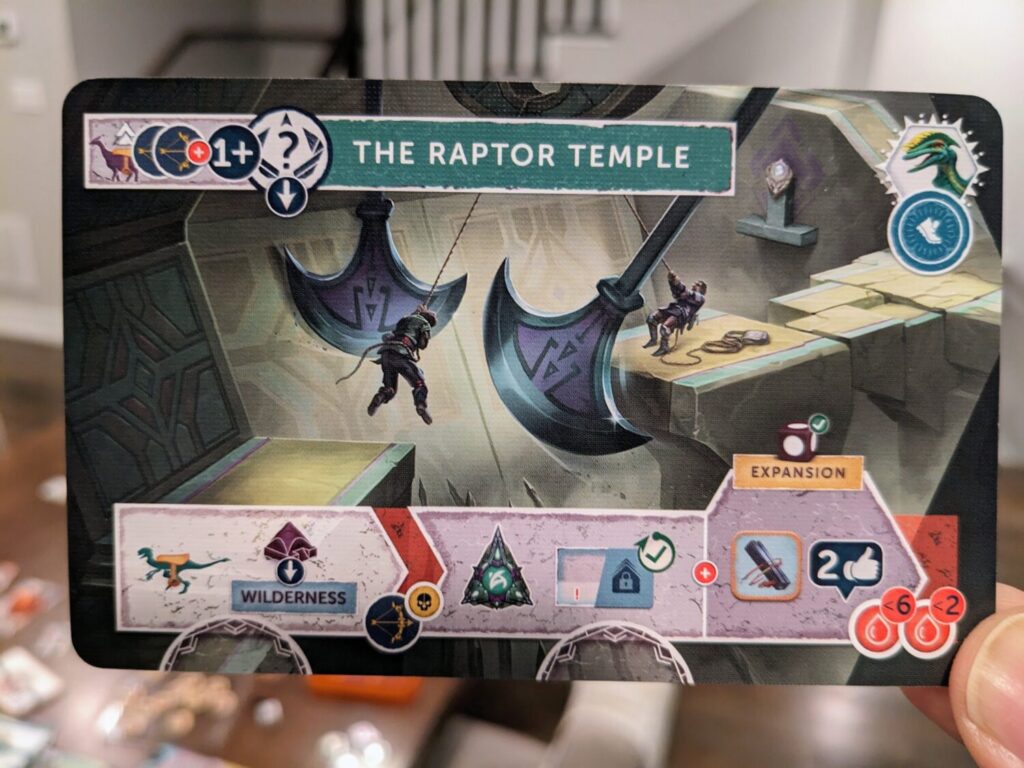
The wilderness also includes three temples that can be explored, represented by some of the greatest minis Mindclash has ever given us. One of the temples, the Thunderhorn Temple, is a big ol’ eyeball. I loved it. Exploring temples is as simple as having the required number of troops and dinos to check out those spaces, and they come with handsome rewards. The temples also unlock other artifacts used for end-game scoring.
More than anything else, the wilderness offers Episode 3 the thrill of (Euro-style) surprise. In some cases, it is a lot riskier to take actions in the wilderness as players try to hunt down better instant bonuses. That won’t be for everyone, especially if you are looking for a “perfect information” Euro. But I loved this element.
What I didn’t love here was the rules bloat. Perseverance: Castaway Chronicles—Episode 3 is as complicated as its title, with a teach that will take an hour and a playtime that approaches 45-60 minutes per player. The iconography takes a couple games to really parse, and turns can be pretty sizable. A player’s primary action, then secondary action (which might, if a player uses an Officer favor, become just as involved as a primary action), then adventure stage resolution (complete with two Threat rolls at the end of an adventure to determine how many Rangers and/or dinos a player might lose) could take 5-10 minutes, minimum…and that’s not including an Assembly scoring, if a player triggered one on their turn.
That’s a lot of rules and a lot of downtime. When it was my turn, I was having a blast, but normally other players are doing nothing but watching when they are not the active player. That means Episode 3 might be best as a two-player game, to minimize the time between turns. The solo mode includes a separate 35-page rulebook that was so long I initially didn’t want to try the solo mode. (The solo rules include rules for Episode 3, Episode 4, and the rules that are common across both games. Still, 35 pages!!!) This gives Perseverance the distinction of being a solo game that you basically have to learn twice: once for the main game rules—hefty—and once for the solo mode variations and decision trees, which are sizable.
A game featuring exploration, dinos, and area majority scoring shouldn’t be this complicated, so while I enjoyed what Perseverance had to offer, even I had to admit that this is really a swim lane for lovers of heavy strategy games where you are looking forward to melting your brain. Strangely, I fit this description, but at no point did I consider teaching this game to my wife nor my Wednesday group of more casual players. No one would want to sit through the teach!!
Episode 4: It’s a Buffet
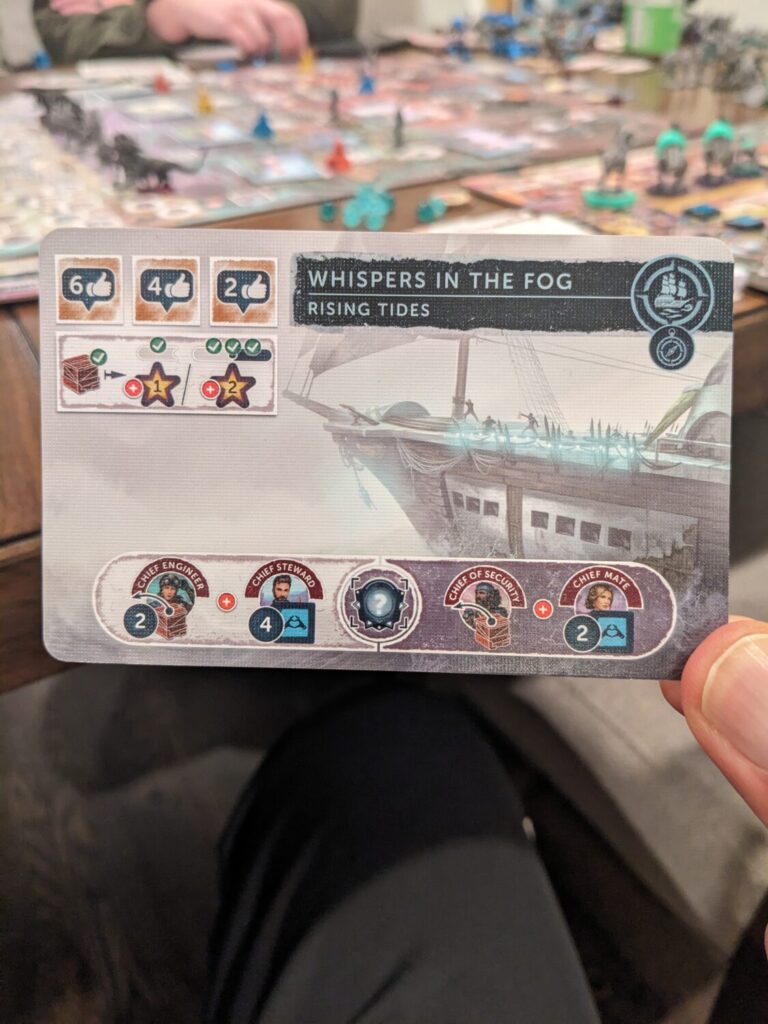
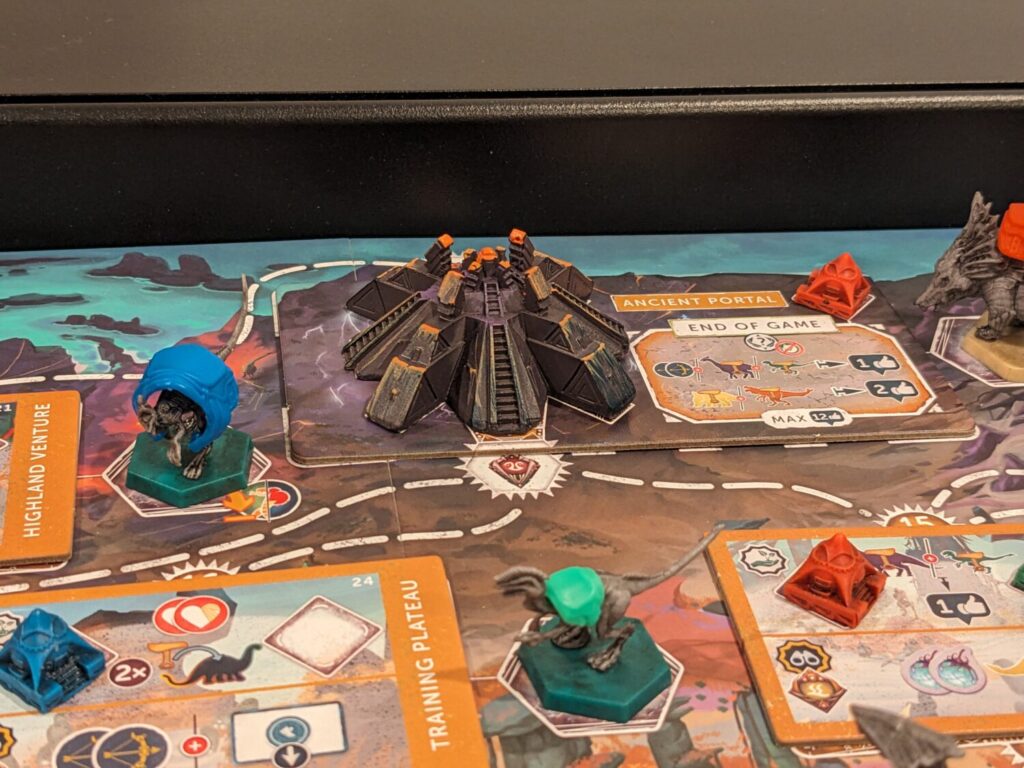
Perseverance: Castaway Chronicles—Episode 4 is the final chapter of the story arc. Even though players might not technically open it during games of Episode 3, there’s a temple that represents a portal near the top of that map. Opening it allows the “Ancients”, a mystical race bent on domination, to re-enter the world of Perseverance, and Episode 4 offers players a choice to either escape the world altogether or negotiate peace with the Ancients to allow the population to stay on the mystical island.
As game mechanics go, Episode 4 gives players a chance to see everything that made the series stand out in a single game…so, Episode 4 is at once a tower defense game, with a tech tree, in a sandbox format that allows players to do as much as they like triggering Assemblies or fighting dinos (in real combat this go-round) or aligning closely with a “Restoration” card to score personal milestones. There are also four public milestones that all players can score, with one major change to everything: in Episode 4, players convert all scoring into a new value known as Glory, and the player with the most Glory, not Followers, wins.
Episode 4 sounds like it will be the shortest, tightest game of the series during the first pass of the rules, with players getting just seven turns each. (Episode 1 was tied to three rounds of Assembly scoring, but my findings showed that games of Episode 1 usually took about 10 turns…subsequent Episodes took fewer turns to complete.) That puts a lot of pressure on the players to get as much done as they can each turn, with a familiar structure for anyone who played the previous games: a primary action, a secondary action, a Preparation Stage action tied to mission cards, then “End-of-Turn” checks that ultimately served to fulfill combat and Assembly processes if those were triggered on the active player’s turns.
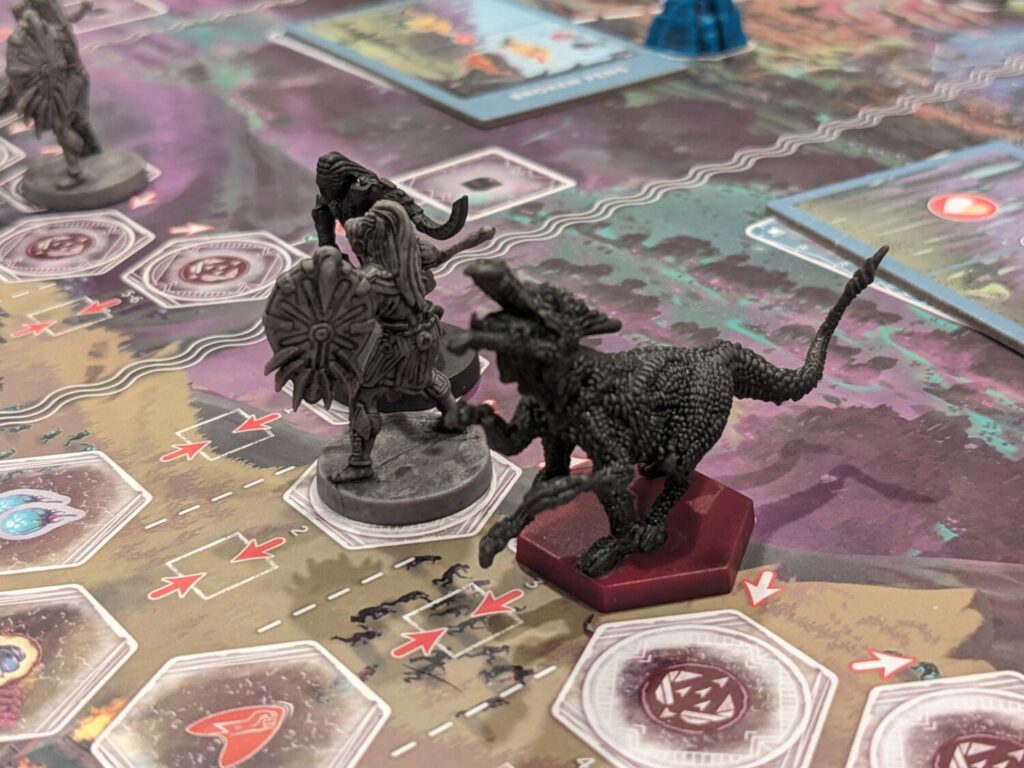
Episode 4 returns the series to its dice placement roots; unlike Episode 3, players don’t get a choice, as they must draft a die and place it in one of the city locations to take an action. Turns feel similar to other games in the series in that way, forcing players to choose two different actions from their chosen die location. Usually, this will mean placing tamed dinosaurs against opposed Ancients into combat columns, placing settlements (now known as Cabins) into spots that fall into one of four crew variations that offer their owners combat bonuses, free healing actions and other bonuses, and acquiring mission cards.
During my plays, I wondered how this familiarity would make fans feel about Episode 4. There are some twists on the previous elements, like tech tracks that are the same for each player (instead of a chance at more personalization, such as what is featured in Episode 2), or a Warpath track in each lane of the game’s four zones that drives back the forces of the Ancients after each combat victory.
Episode 4 feels very much like a buffet, a “greatest hits” of the elements that worked in the other games. But the major change in scoring actually turns the game on its head. Players who are used to piling up the best ways to earn Followers will find, as I did, that scoring 100 Followers isn’t very valuable in this game. Instead, the major focus here is on the public milestones, and getting artifacts to boost scoring on each personal milestone card. Glory scores in the mid-20s to mid-40s becomes the new metric, and identifying ways to line up all seven turns towards the Glory scoring is all that really matters here, right down to the fact that you will spend Followers often during play, something that was to be strictly avoided in the first three games.
I think that left a hole in how players felt about Episode 4 versus the other titles.
Episode 4: Fun, But Not Forever
Perseverance: Castaway Chronicles—Episode 4 lands in a very safe space for a fan of the other games in the series. That also means I am hesitant to recommend it for anyone thinking they should start with Episode 4…because I don’t think it will land the same way as an entry point for new players.
My favorite parts of Episode 4 were threefold. I love the opportunity to specialize the placements of each Cabin. Players can lean hard into getting boosts in combat, guarantee Followers during Assemblies, or boost the bonuses on tiles placed along each Warpath. This also played into how players approached upcoming Assemblies as well as the public milestone suit that pushes players to diversify their Cabin placements. Cabins are a critical element for mission cards as well, so Cabins are both fun to explore and a critical game element.
I love the use of Crates in Episode 4. Crates can be used to boost end-game scoring of the public milestones, but they could also be used to strengthen the abilities of certain dinos in combat or to make actions free for all players. They also restrict progress on the tech tracks, so players have to engage with the crates if they expect to boost ongoing powers, some of which are pretty juicy.
Finally, the secondary actions available with each Officer are a blast, especially because they use the same format as the main action areas in all four games by letting players choose two of the three unique actions on each tile. The game pushes you to use your secondary action in this way right from the jump, as players get to place 3-4 cubes on each Officer during setup. This means you should almost always be able to do the actions you want from at least one of the Officers…which leads us into what did not work for me with Episode 4.
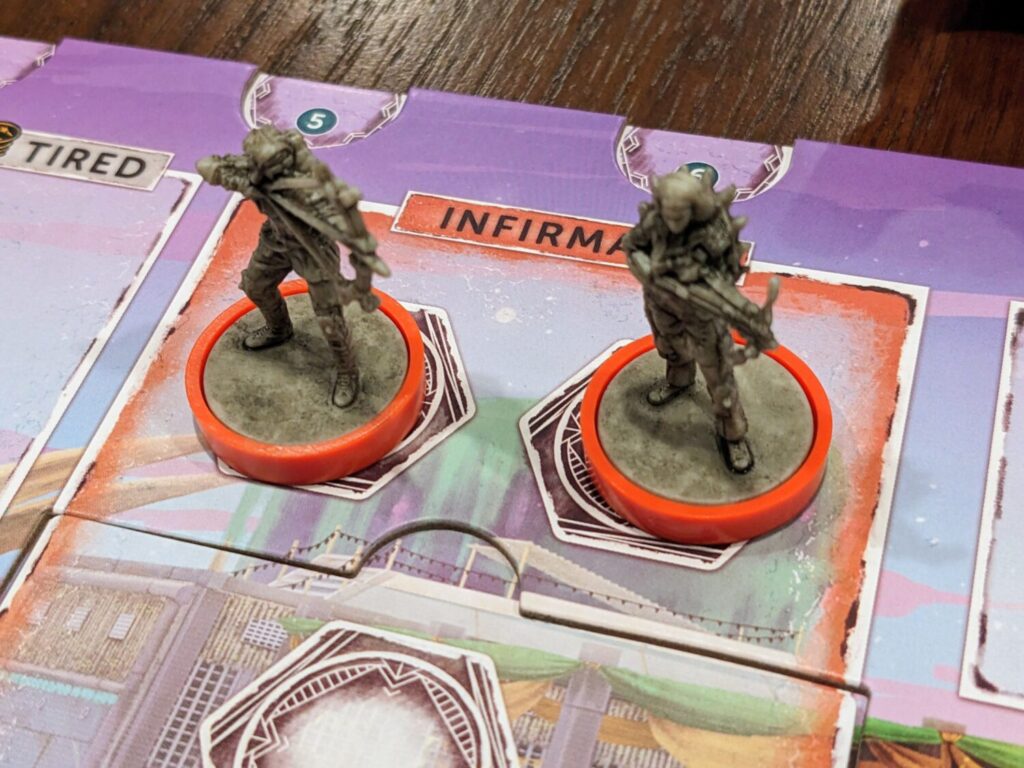
“Mindclash Games really knows its audience.” It’s a line that the players in my network say from time to time while wading through a 45-60 minute teach with a strategic weight that outpaces almost every game in my collection. The Perseverance games are no different, and Episode 4 really hammers this home.
Ultimately, Episode 4 comes down to dice placement, lining up soldiers (in this case, dinos) to fight baddies, and gaining combat rewards. But there are a shocking number of rules and dozens of minor considerations on every turn in Episode 4. I had nearly 10 plays of the previous three games under my belt. One would imagine that I could stroll into Episode 4 and mostly have a handle on what is going on.
Incorrect. The first turn of my first play of Episode 4 felt agonizing, in part because I needed to make two choices in a location for my primary action, then take a cube off an Officer tile to make two more choices for my secondary action. There are a lot of considerations to make on every turn, so even fast players (i.e., me) will be forced into a lot of “analysis paralysis” moments. In many ways, I’m thankful that Episode 4 is limited to just seven turns.
That’s because our plays landed in the one-hour-per-player range. I prefer playing Mindclash titles with faster players…which also means I can imagine Episode 4 taking 4-5 hours with four players in the wrong hands, maybe even longer. Downtime is undeniably massive here. When a player’s turn includes a required primary action, a required secondary action, an optional prep stage resolution, optional combat, and optional Assembly scoring phase, that turn could easily last 15-20 minutes.
Not every turn will last that long, obviously. But if you are “downwind” from even two players who have that many processes to work through on their turns in a four-player game, you could find yourself sitting and watching others take turns for 30+ minutes. There’s no getting around it: Episode 4’s biggest weakness is its downtime.
My secondary gripes are minor. Episode 4 feels like a chance to bring all the big stars back together for a sequel in a big chain of movie titles. In that way, the beats felt familiar but none of it was necessarily standout. Episode 4 was constantly enjoyable when it was my turn, but the three previous games all had higher highs. Some of the offerings here felt bland; the Near Ruins tiles, for example, offer bonuses so rote that players completely disregarded them as a choice during dice placement until they had ways to boost those rewards via other game mechanics.
The market for those adventure/mission cards, known as the “offering” (for Port and Naval Preparation cards) is very small, so planning ahead for taking mission cards feels tougher here because each card has an initial requirement that is more complicated than previous games in the series. And although each Leader has 2-3 unique ongoing powers, those powers don’t feel quite game-breaking enough to warrant repeat plays based solely on finding different ways to attack the system with a specific Leader.
As one player pointed out late in my first play of Episode 4, Followers are now a resource, not really a way to score. At the end of the game, 10 Followers are worth one Glory point. Now that Followers are relatively worthless (compared to the previous games), players smartly use them to resolve combat penalties or to take actions during the Primary Action phase.
This change means that a fundamental shift in how points are earned is required for this final Episode. Again, this is a minor gripe for me, but it is a worthy callout. Chasing Followers because you think that is the best way to win is now outdated, and it is something I will call out to players who have tried the previous Episodes.
A Question of Elegance
Perseverance: Castaway Chronicles—Episodes 3 & 4 represents a monumental undertaking for the team at Mindclash, led by the designers of this set: Richard Ámann, Viktor Péter, Thomas Vande Giste, and Dávid Turczi. The back half of a four-game set, I love the ambition behind these games and what they have to offer to the dedicated fan base of the studio.
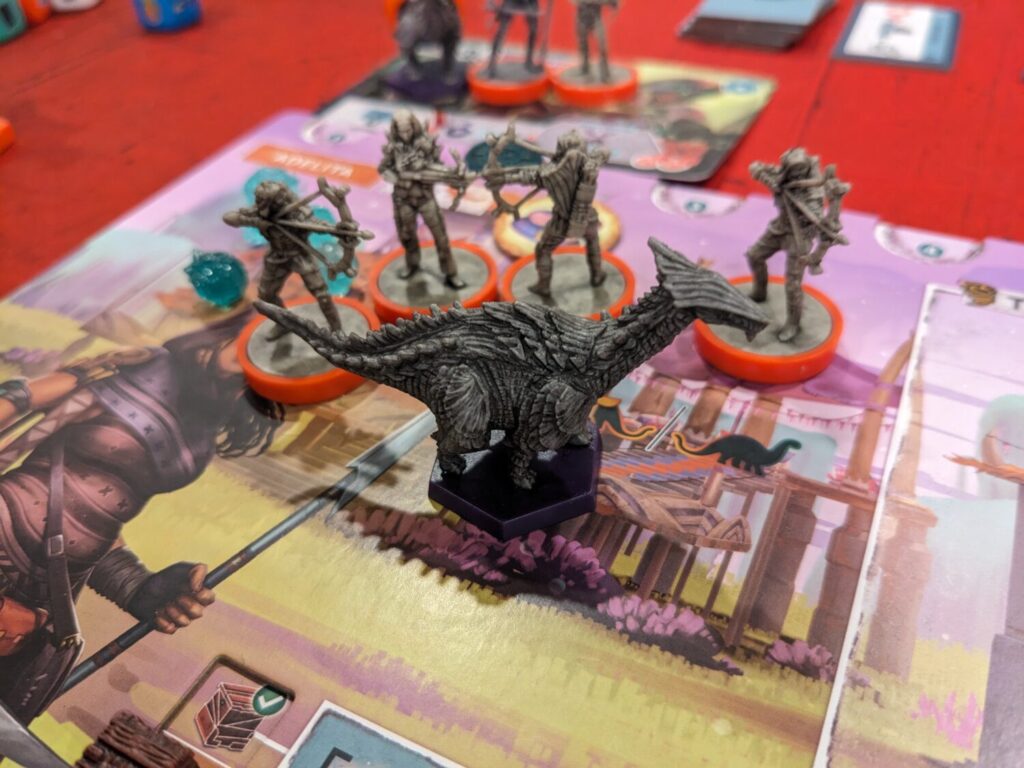
In that way, I think Episodes 3 & 4 do a great job as fan service for the series. The world building is great, right down to the companion comic that details the story for these two games. The toy factor is exceptional and placing saddles on dino tokens is a thrill. The production elements Mindclash are known for remain on full display.
As games, I think Episode 3 is the best game in the series and offers the best chance to consistently hit my table. The weight of these games is nothing to sneeze at, but the phrase “the juice is worth the squeeze” was on full display during each play after my first. There’s so much variability in how Episode 3 plays, and how the system can be attacked, particularly with secondary actions tied to Officer actions or income actions in the Ranch area of each player’s personal board. Exploring the wilderness was great, turns were a little faster (just a tad!), and chasing down ways to affect Assembly scoring took everything I liked about the previous games and evolved the system in a meaningful way.
If I was rating just Episode 3, it’s something that lands at nearly a perfect score, especially if played with only two players. The downtime is sizable enough to only recommend playing Episode 3 with two, maybe three players.
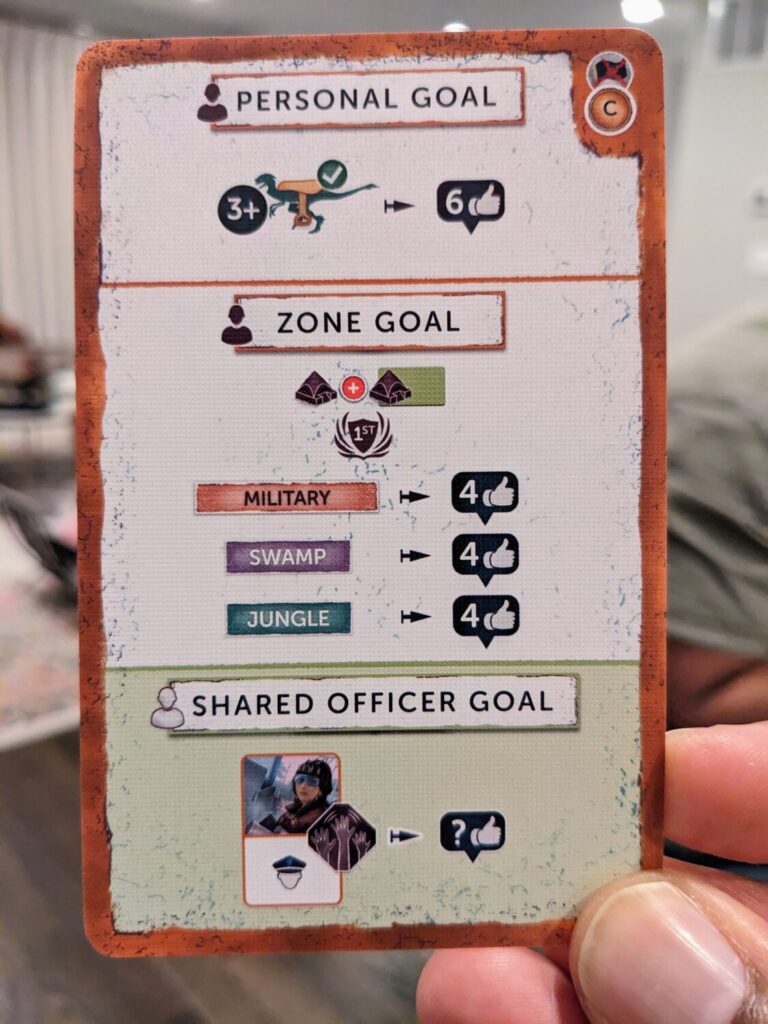
Episode 4 never created the same level of “wows” for me, nor the players in my group. In part, that’s because Episode 4’s collection of gameplay elements felt like they were done better by their predecessors. Episode 1 is better at the tower defense elements. Episode 2 is your game if tech trees and tracks are your jam. Episode 3 has exploration elements, but Episode 4 doesn’t really feature that. The new scoring mechanism of Episode 4 does the job, but there’s a mindshift required to get to that place.
Episode 4 is never bad…but it never created that special sauce the way certain elements of the series’ other titles did. And players will likely level the same complaint I had during my plays, of both games, really—often, the Perseverance games feel like they have rules “for rules’ sake.” Like Vital Lacerda’s 2024 release Inventions: Evolution of Ideas, the Perseverance games offer lots of interesting things to do, but it will make a lot of people think twice before considering the massive learning curve and setup time before getting it in front of a group. For that reason, having Mindclash superfans in my play groups is a major benefit…but I’m not confident I can show this to players outside of that circle.
Across the four Perseverance games, here are my rankings: Episode 3, then Episode 1, then Episode 2, then Episode 4. The system now has a separate campaign mode available for purchase, where players can run through all four games in order to really build a sense of story with the system across four plays of the four different games. I love that Perseverance superfans can continue to navigate this system. But for me, Episode 3 is all I need to enjoy what Mindclash has put into the market.