
These days, there are so many ways to play Magic the Gathering (known simply as Magic for this article), it’s easy to lose track. The three pillars of modern Magic—Limited, Constructed, and Multiplayer—have numerous tributary formats and rulesets, but no format has straddled the lines of each of these categories more perilously than Brawl.
A Look Back At Brawl: Magic’s Most Misunderstood Format
Introduced officially during the release of Throne of Eldraine as a smaller scale variant on Commander, Brawl is a 60-card singleton format where players build around a legendary creature (or planeswalker) in a similar fashion to Commander’s 99-card-plus-general deckbuilding concept. The main way that Brawl set itself apart from Commander when it was introduced, aside from deck size, was that all Standard-legal planeswalkers were available to lead your deck, alongside the format’s legendary creatures. Additionally, Brawl decks could be constructed only from Standard-legal cards. (Later takes on Brawl, such as Magic: The Gathering Arena‘s Historic Brawl format, would expand the card pool while maintaining player access to planeswalker generals.)
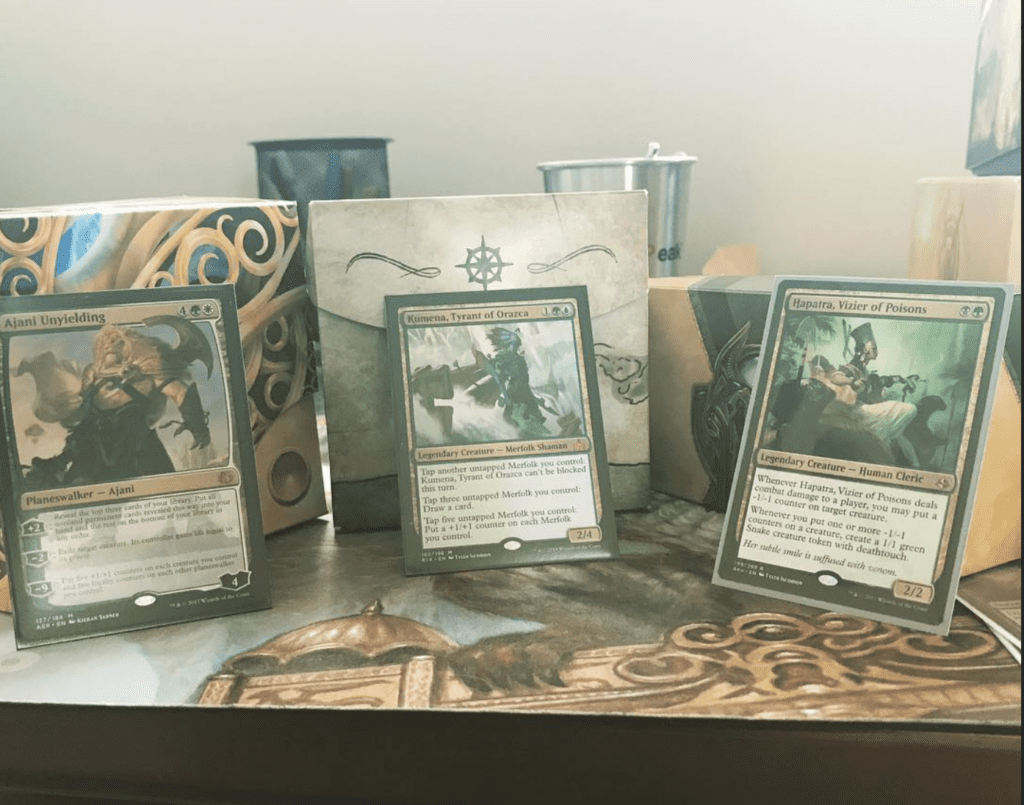
However, Brawl’s initial pitch as ‘Commander-lite,’ a way to introduce new players to singleton multiplayer formats, was not enough for it to stay relevant as a play option for many Magic players. Many Commander players found Brawl’s limited cardpool and its susceptibility to Standard’s rotation to be liabilities for longevity, and while Limited players showed some initial excitement for the format’s promise, Wizards of the Coast never released additional Brawl pre-constructed decks after the initial four Throne of Eldraine decks. For years, Brawl’s main purpose has been to serve as a surrogate Commander format on Magic’s Arena client, which shows very little hope of ever supporting multiplayer gameplay.
The Competitive and Casual Landscape of Magic: The Gathering in 2026
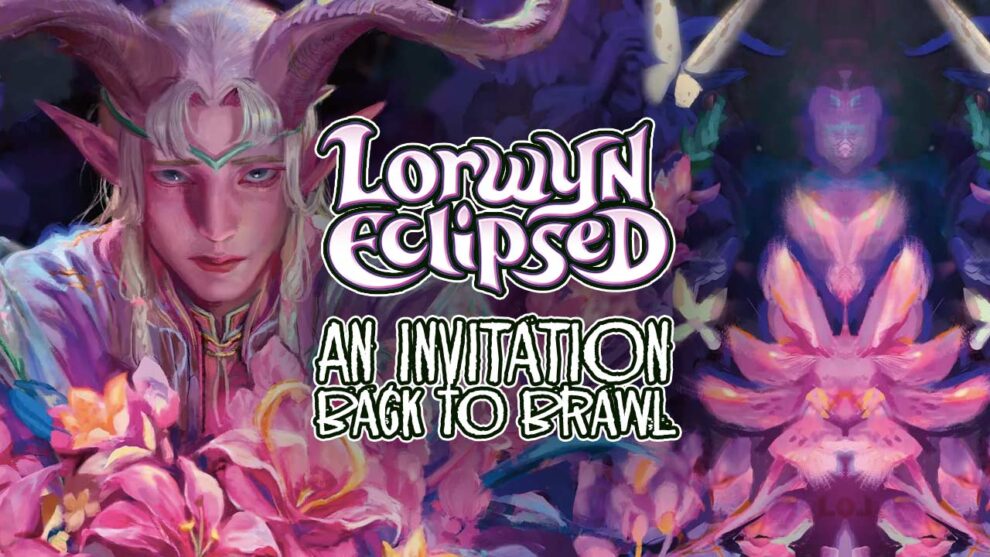
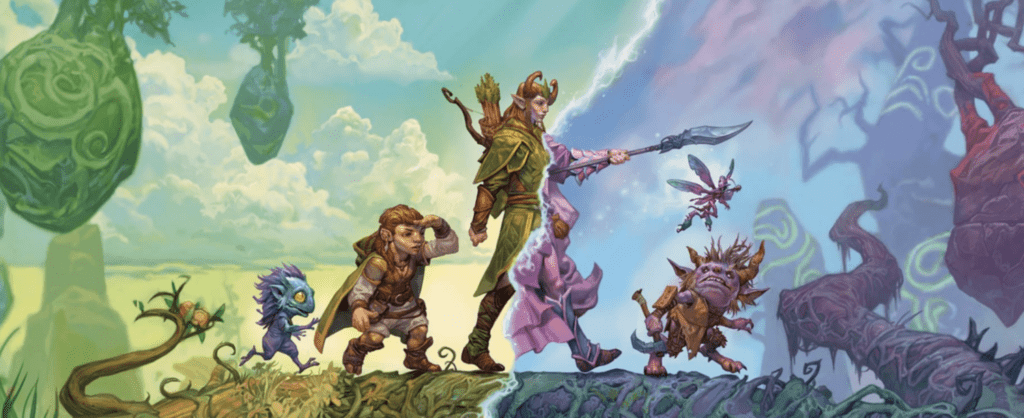
Flash forward to 2026, and the release of Magic’s newest Standard legal set, Lorwyn Eclipsed. The landscape of competitive and casual Magic is thoroughly different than it was during the release of Throne of Eldraine. Standard rotation has now been expanded from a biennial affair to a three-plus year format, and the advent of Universes Beyond and products like Magic: the Gathering Foundations have greatly broadened the Standard cardpool. Commander, meanwhile, rules the Magic roost, with nearly all new Standard- and eternal-legal sets being accompanied with premium pre-constructed Commander decks, rather than the annual quartet-or-quintet releases of yesteryear.
Amidst this glut of products and formats of play, the third pillar of modern Magic—the Limited formats of Draft and Sealed—remains an increasingly vital way for established players to enjoy this collectible card game. However, the skill-testing nature of Draft can make it somewhat daunting to newcomers. Smaller scale variants like Pick 2 Draft can only do so much to alleviate the logistical requirements to assemble a regular Draft pod. Commander, meanwhile, has been increasingly decried as a problematic way for new players to learn how to play Magic. Commander’s complexity and vast card pool makes it a thorny and difficult entry point. Many players forget that the format began its life as a deck building and gameplay challenge for Magic’s most erudite and advanced minds: the Judges of Magic’s various competitive formats.
What’s A (New) Magic Player To Do?
So what format of play makes sense for new players with insufficient resources to build a competitive Standard deck on their own? What outlet exists for FNM drafters who have little to no interest in Commander, but love their Limited decks and want ways to keep playing them? Simply put, in 2026, Brawl has the potential to rise as a viable alternative to Commander and a natural extension of Limited play. Due to its lower barrier to entry, Brawl offers a distinctive experience not only for entrenched players, but also for newcomers and casual deckbuilders who accumulate Draft chaff and fodder from their Prerelease packs and don’t always have an easy way to put those cards to use.
So Why Now? Why Lorwyn Eclipsed?
Lorwyn Eclipsed, like Lost Caverns of Ixalan and Bloomburrow before it, is a typal/Kindred themed set, built around 5 ‘supported’ creature-based archetypes—Elves, Goblins, Kithkin, Elementals, and Merfolk—and several other ‘unsupported’ creature types such as Faeries, Giants, and Treefolk. Because of this “creature type matters” design conceit, the set runs the risk of providing a narrow and less replayable Draft experience, with a smaller range of viable strategies available than the average set. To make matters more precarious, several of Lorwyn’s signature creature types, such as the Selesnya-aligned Kithkin and the plane’s uniquely Azorius-aligned Merfolk, have shallow wells of support even in eternal formats, making Commander deck building an uphill battle.
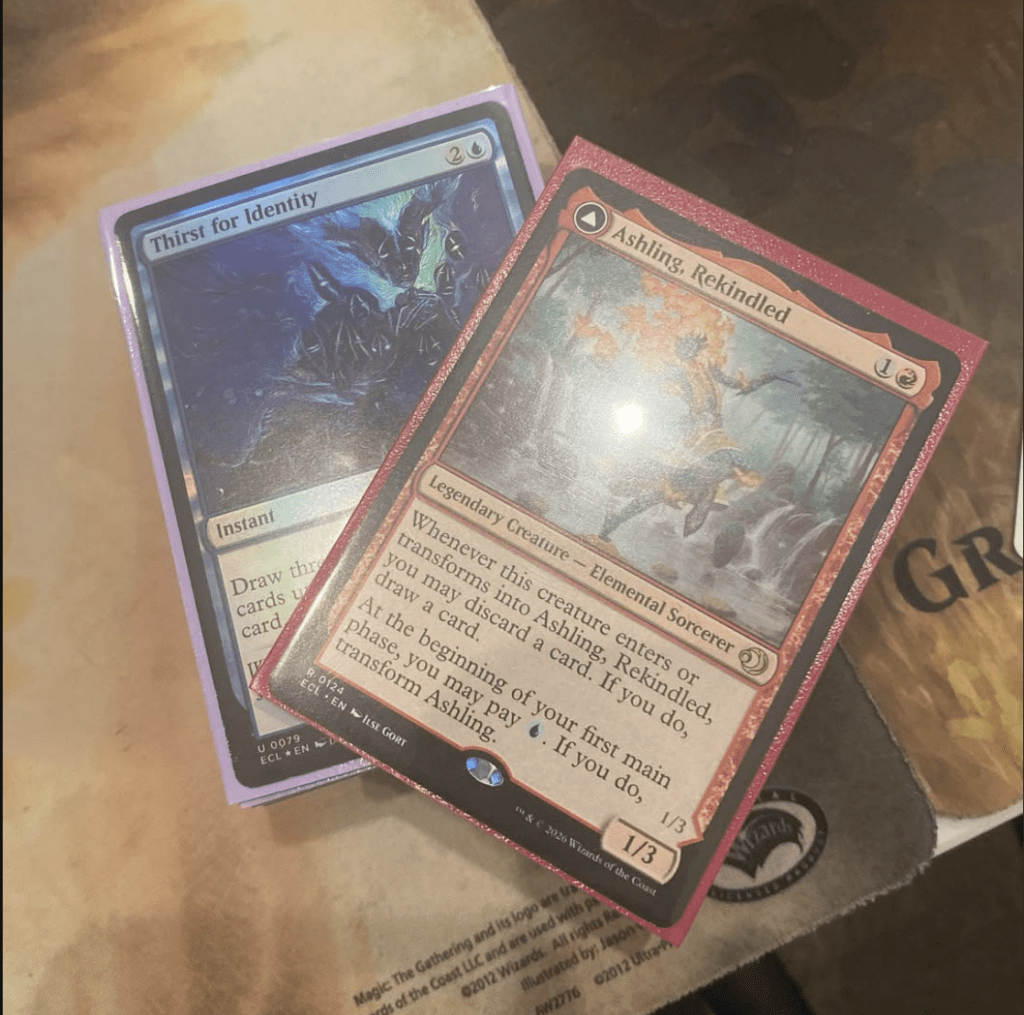
However, within Lorwyn Eclipsed itself, (as well as the current Standard format) each of the five ‘supported’ creature types has more than enough playable cards to support a 60-card Brawl deck. A player could feasibly come away from their local FNM draft with the makings of a new deck for multiplayer — or even a rousing game of 1v1 kitchen table Magic. Because Lorwyn Eclipsed was accompanied by only two preconstructed Commander decks—the -1/-1 counter themed Blight Curse and the five-color Elemental-themed Dance of the Elements—there’s plenty of room for the set’s other legendary creatures to inspire their own Brawl brews and shine on their own merits, rather than merely being incorporated as upgrades to existing decks.
2026: The Year Of (Paper) Brawl’s Renaissance
Recent Magic sets like Marvel’s Spider-Man and Avatar: The Last Airbender have been released without any accompanying Commander decks, and with mechanics and archetypes that are arguably even more narrow than Lorwyn’s Kindred theme. Fans of these sets and IPs have naturally built their own Commander decks with support from products like Avatar’s Commander Bundle. However, in many cases, those players would be better suited experimenting with Brawl’s less demanding deck building lift before graduating to a full-scale 100-card project.
As 2026’s Universes Beyond-glutted slate of sets proceeds, players and collectors will have plenty of products to consume, ignore, or decry as the latest reason why Magic: The Gathering is being ruined. The key toward preventing players from being swept away by set release fatigue may lie in Brawl’s unassuming, pared down approach. Some players may leap at the opportunity to build a Commander deck around their favorite IP, such as Teenage Mutant Ninja Turtles. However, the kitchen sink of the Commander format is not right for every mechanic, every legend, or every player. Given one of the broadest Standard card pools in recent memory, 2026 may be the ideal time for Magic players to give the Brawl format another try.